Painting Under the Cuticle: Professional Secrets for Semilac Hybrid Polish
Learn the secrets of painting under the cuticle with Semilac. Master brush angles and prep to get a flush, professional finish without flooding!
A clean cuticle line separates a professional set from an amateur one – and it starts before the brush touches the nail. Getting color flush to the eponychium without flooding the lateral fold takes preparation, brush angle, and controlled withdrawal. Semilac Hybrid Polish rewards precise technique: the formula stays where you put it, so the result reflects your hand. Here is how to clean painting under the cuticle area every time!
Here is what this guide covers:
- why cuticle prep is the most important step before any gel application
- how to position the brush for a flush edge with zero skin contact
- which common mistakes cause skin lift, flooding, and visible gaps
Why does application matter so much for painting under the cuticle?
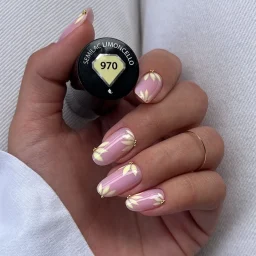
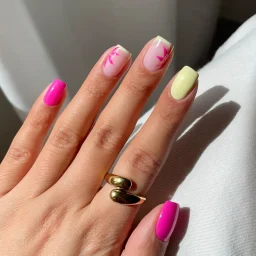
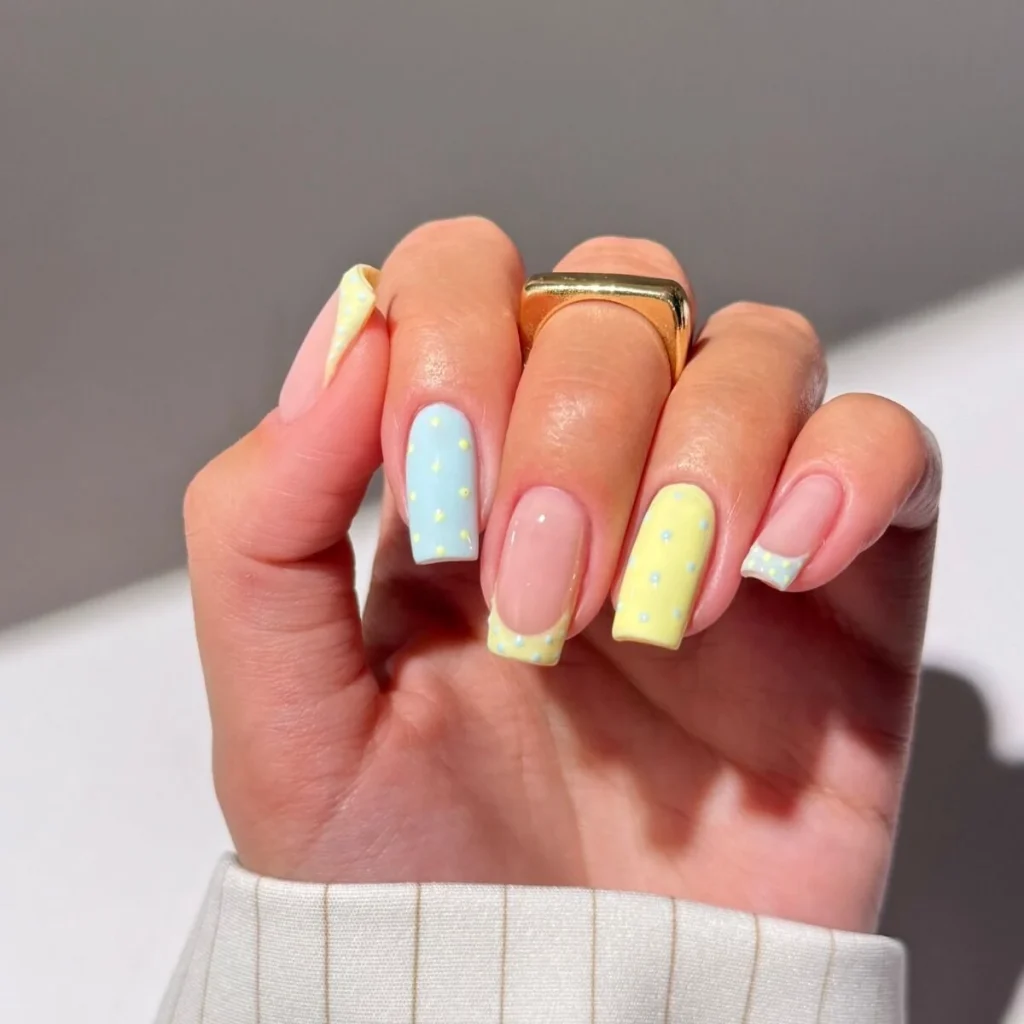
The cuticle area is where most lifting starts. When color touches living skin – even a fraction of a millimeter – the body pushes it away during cure. The result is a raised edge, a gap, or a ridge that catches light at the wrong angle. On pastel and cream shades like Limoncello 970, that gap is impossible to hide. The nail plate simply reads unfinished.
Flooding the skin causes the same outcome from the opposite direction. Gel Nail Polish that sits on the lateral nail fold or on the pterygium will lift within days because it has no adhesion to living tissue. Every standard UV Hybrid service has the same requirement: color must end precisely at the natural cuticle line, not before it and not past it. That 0 mm margin is the technical skill that defines a professional result.
How to prep for painting under the cuticle before gel application
Preparation determines how close you can get. Start with a cuticle pusher – metal or wooden, not rubber – and push the eponychium back firmly and evenly, working from the lateral nail fold inward. The goal is to expose the full growth zone and reveal any pterygium attached to the nail plate surface.
Pterygium is the thin tissue that grows from the eponychium onto the nail plate. If you leave it and apply color over it, the color has no bond to nail – it is sitting on skin. Remove it by scraping gently along the plate with the flat edge of your pusher. After removal, use a dehydrator on the entire nail surface. One pass of dehydrator on the growth zone eliminates the oil film that causes lateral lifting. Work on one hand at a time.
Technique – brush angle, pressure, and withdrawal
Hold the brush at roughly 30 to 45 degrees to the nail plate. A flatter angle lets you see the gap between the bristle tip and the cuticle line as you approach. Load the brush with a small amount of product – less than you think you need. Hybrid Nail Polish spreads with minimal pressure, so a light touch gives you more control than a heavy one.
Place the brush tip 1 to 1.5 mm from the cuticle line, spread the bead, then slide forward until product just touches the line. Do not push the brush into the fold. Stop 0.1 to 0.2 mm before skin contact and let capillary action pull the rest. Withdraw in one clean backstroke parallel to the plate. Repeat for lateral edges before finishing center and free edge.
Brush pressure and self-leveling
Semilac Hybrid Polish has a self-leveling quality that works for you – but only if you give it space to move. Heavy pressure forces the product under the cuticle fold and onto skin before it can level. Light, consistent pressure deposits the product at the line and lets surface tension draw it flush. In our experience, technicians who struggle with flooding are almost always pressing too hard on the cuticle stroke rather than trusting the formula to settle.
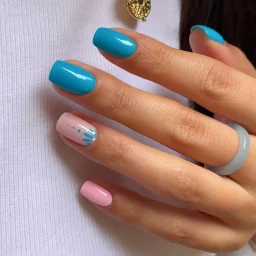
Shades like Bubbly Blue 974 make the technique visible because the color is saturated enough to see the exact edge immediately. Practice the approach stroke on a saturated pastel before moving to sheers – the feedback is immediate and the margin for error is obvious. Our full Semilac Hybrid Polish range includes shades across every opacity level, so you can calibrate your technique on a forgiving opaque before applying the same motion to a translucent.
The common mistakes:
- Flooding the fold – too much product on the brush or forward pressure that pushes the bead under the eponychium
- Leaving a gap – stopping the stroke too early or hesitating before the cuticle line
- Skin contact on the lateral fold – not correcting the brush angle on the sidewalls before the center stroke
- Skipping dehydration at the growth zone – oil residue near the cuticle is the most common cause of edge lifting within the first week
- Applying over pterygium – product on skin, not nail plate, always lifts regardless of prep quality
Fix a flooded cuticle mid-application with an orangewood stick or detail brush loaded with gel cleanser. Do not cure over a flood – once cured, the only fix is removal.
Keeping clean cuticle work consistent across services
Clean cuticle work is prep, brush angle, and capillary action. Master those three and the flush edge stays consistent. For a deeper look at prep protocol and painting under the cuticle, check our professional nail prep guide.