Clients transitioning from acrylics to Semilac Gel UV Hybrid systems
Transitioning from acrylics to Semilac Gel UV Hybrid safely. Learn the removal process and how to protect natural nails while maintaining length and strength.
More clients are transitioning from acrylics – and they’re turning to nail techs for guidance on how to do it right. Semilac Gel UV Hybrid systems offer a lighter, more flexible alternative that lets the natural nail recover without sacrificing length or durability. This guide walks through the reasons clients make the switch, the correct removal process, and what to expect during that first transition appointment. Let’s get into it!
Here is what this guide covers:
- why clients transitioning from acrylics to gel hybrid – health, flexibility, and less structural damage
- how to remove acrylics safely before starting the transition process
- what the first gel hybrid appointment looks like from prep to finished set
Why clients transitioning from acrylics to gel hybrid
The request usually comes after months of wear. Clients notice thinning, sensitivity, or brittleness when acrylic sets come off. Acrylic systems rely on monomer chemistry (EMA or harsher MMA) that dehydrates and stresses the plate. Gel hybrid polish cures differently: UV light triggers polymerization, and the result sits on top of the nail rather than penetrating it.
Flexibility is another factor. A rigid acrylic overlay transmits force directly to the plate when it flexes. Gel UV Hybrid systems have more give, absorbing impact rather than cracking through. For clients with active hands, this difference matters. Many clients report that their nails feel more like their own after switching.
How to remove acrylics safely before starting
Acrylic removal is not the same process as a standard soak-off. Gel hybrid polish and soft gel extensions lift from acetone relatively quickly – typically 10 to 15 minutes wrapped. Acrylic is denser and more resistant. Rushing this step causes the most damage seen during transitions. Soak wrapped nails in 100% acetone for a minimum of 20 to 30 minutes before attempting to push the product off. Forcing it earlier gouges the nail plate and sets back any recovery by weeks.
Once softened and lifted, use a cuticle pusher to gently work the acrylic off. Do not force through product that hasn’t fully lifted. The plate will likely show thinning or texture change – normal post-acrylic condition. A light buff with 240 grit smooths the surface. Avoid any file coarser than 180 grit on the natural nail at this stage – the plate needs protection, not abrasion.
Assessing the nail before moving forward
Not every nail will be ready for product on the same day. Check for white patches, peeling layers, or flexible spots near the free edge – signs of significant plate thinning. A week or two of recovery with a strengthening treatment before applying Hybrid Nail Polish produces better adhesion. Pushing product onto compromised nails leads to early lifting.
First gel hybrid appointment – what to expect
The first Semilac Gel UV Hybrid appointment after acrylics is a repair-and-reset session more than a standard set. Start with the full nail prep sequence: dehydrate, prime, and apply a thin base coat. Our professional nail prep guide walks through the full sequence – follow it closely when the plate is recovering from acrylic wear. For post-acrylic nails, a base with some flexibility and grip matters more than color payoff at this stage. Prep time is longer than usual because the surface isn’t in ideal condition – budget an extra 15 minutes compared to a regular new set.
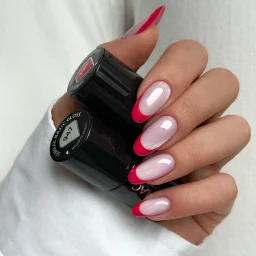
Color choice for this first appointment is worth a conversation with the client. Semilac Hybrid Polish in sheer or translucent finishes shows off nail shape without highlighting any surface irregularities still present. Sheer shades also let you monitor plate color between services, which matters during recovery. For techs looking for specific shade options at this stage:
Shades that work well during the transition period:
- Semilike Lazure Dream 000 – an ultra-sheer finish that keeps the focus on nail health and shape, not coverage
- Yellow Petunia 589 – soft and wearable, from the Fiori collection, works well as a first full-color appointment once nails have stabilized
- Sheer and soft-toned finishes across the Semilac Gel Nail Polish range – translucent options let the technician monitor nail plate color and health during the recovery phase
Cure times and post-acrylic adhesion
Cure times follow standard protocol – two thin coats with full cure between layers. The thinner the gel application on a post-acrylic nail, the better the adhesion. Heavy application over a weakened plate lifts at the sides first. A quality top coat seals the edges and extends wear.
Setting client expectations for the transitioning from acrylics
The transition from acrylics is a process, not one appointment. Most nails need two to three gel hybrid sets before they stabilize. From our hands-on work with transitions, hydration makes a visible difference – check our tips for long-lasting manicures with Semilac UV Hybrid.