

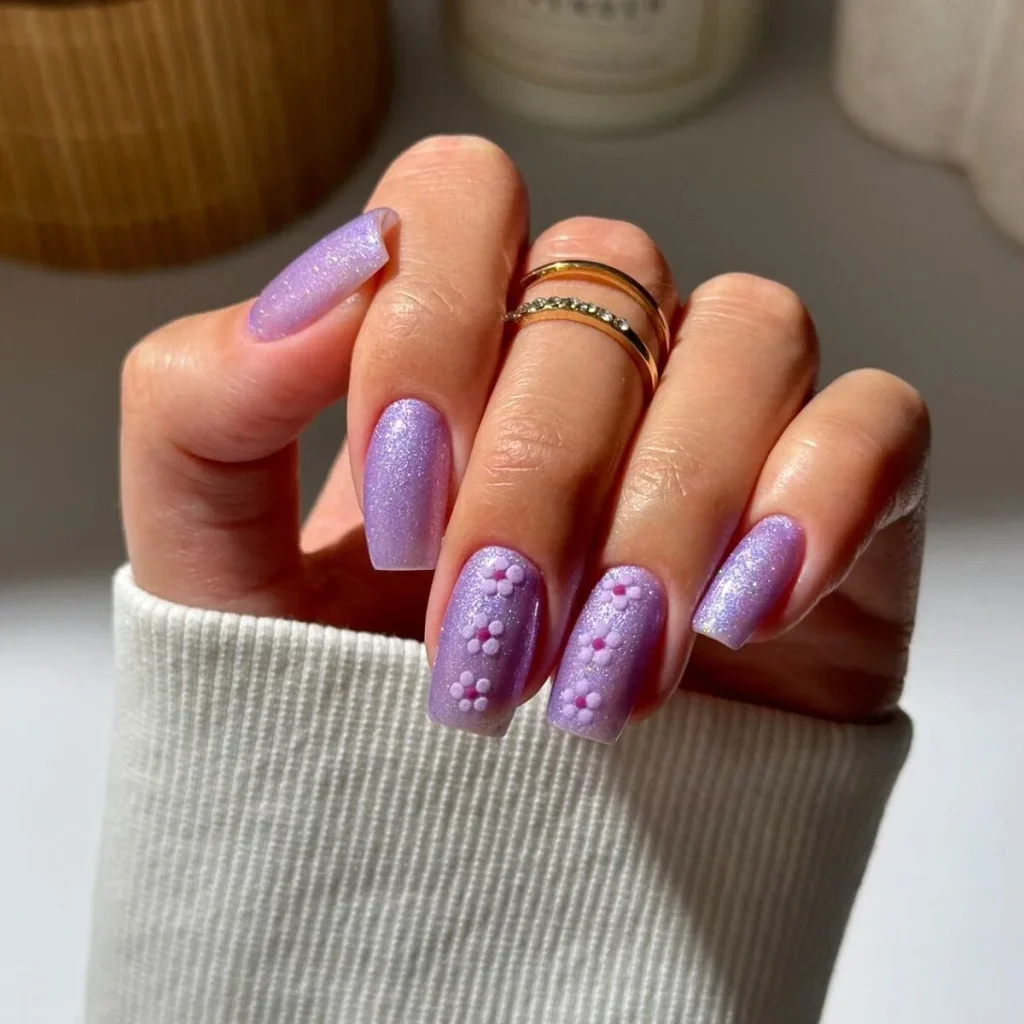
Improving stylist ergonomics and hand positioning for Semilac Nail Polish
Protect your body! Learn essential stylist ergonomics and hand positioning to prevent pain during Semilac services. Your guide to a healthier workspace.
Here is what this guide covers:
- why hand positioning affects both comfort and application quality
- which workspace habits reduce strain over a full day of services
- how brush grip impacts precision and wrist health long term
- which steps in the service create the most repetitive stress
Why does stylist ergonomics matter for nail techs specifically?
Nail work is repetitive, detail-focused, and done in a sustained forward lean – a combination that loads the wrists, shoulders, and cervical spine in ways that accumulate invisibly until they become injuries. Most nail techs don’t connect a sore neck at the end of the day with the way they’re holding a brush – but the relationship stylist ergonomics is direct. A relaxed hand with a neutral wrist produces more consistent strokes than a tense one – precision and comfort really do come from the same place.
How brush grip affects your wrist and your work
The most common grip mistake is holding the brush like a pen – finger pressure concentrated at the barrel, wrist rotated inward, forearm tightening to stabilize. A lighter grip with the brush resting in the hand rather than being pinched distributes the load across a wider surface and cuts the forearm clenching that builds up fast. Placing the brush down entirely between coats – rather than holding it continuously – breaks the static load that turns into real strain by the end of a full day.
Steps in the Semilac Nail Polish service with the highest repetitive strain:
- Filing – sustained lateral motion with a locked wrist, especially at the sidewalls
- Base coat application – fine, controlled strokes repeated across all ten nails
- Color layering – multiple passes per nail, often with a slightly elevated shoulder
- Top coat application with Semilac Top No Wipe – thin, even strokes require sustained finger tension
Workspace setup that actually reduces strain
The nail plate should sit at elbow height or slightly below – not on a flat table where the stylist has to hunch forward to see detail. A wrist rest under the client’s hand raises the working surface closer to the tech’s neutral hand position and reduces the forward lean that strains the lower back and neck. Lighting positioned directly over the working area rather than behind the tech eliminates the neck rotation that comes from trying to see into shadow.
The colors that reward a relaxed, precise hand:
- Violet Vibes 499 – deep pigmentation that covers in one thin coat – less repetition per nail
- Pink Cherry 012 – a soft pink that forgives slight stroke variation without showing brush marks
- Lila Story 145 – smooth formula that flows without pressure, reducing the grip tension needed per stroke
How to build micro-breaks into a full service day for stylist ergonomics
Micro-breaks don’t mean stopping between every client – they mean using the natural pauses in a service deliberately. The two minutes a client spends under the lamp is long enough to roll the wrists, open and close the hands fully, and roll the shoulders back. Done consistently through the day, those small resets prevent the cumulative tension that turns into chronic pain over months and years. A tech who protects their hands protects their career – this is the kind of investment for stylist ergonomics that pays off in decades, not days.